After the tragic loss of her nephew, baby Theo, Amanda was determined to improve the care that pregnant women in New Zealand’s remote communities receive.
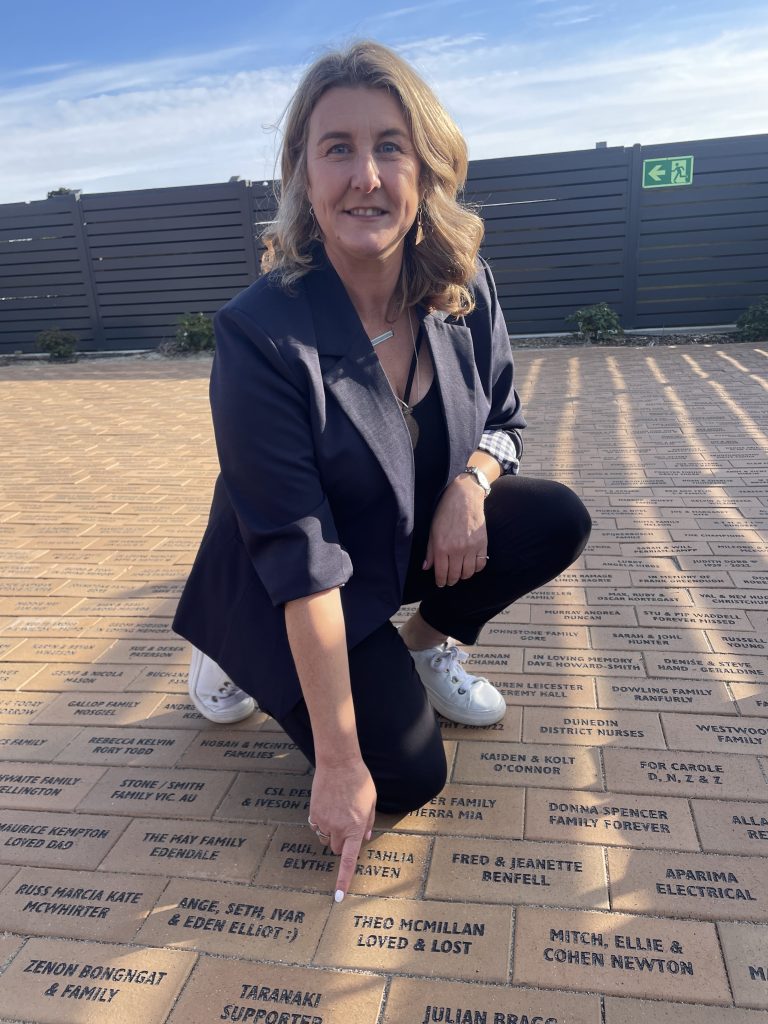
My nephew, Theo, was a healthy baby. He died after a complicated birth, when specialist care wasn’t accessed in time. What followed for our family was shock, grief, and a deep realisation that where you live in Aotearoa can still shape the care you receive, and sometimes, the outcome.
As I listened to other families, particularly those living in rural and remote communities, I heard the same themes again and again: long distances, urgent transfers, unfamiliar hospitals, nights spent away from home, and the quiet fear of navigating it all while pregnant.
Most births in New Zealand are safe, thanks to dedicated clinicians working within a complex system. But when care escalates, distance adds pressure, and families are often left to carry the practical and emotional burden on their own.
I started the Teddy Foundation to sit in that gap. Not to blame. Not to judge.
But to ensure families are supported when maternity care is complicated by distance, urgency, or change.
The Teddy Foundation exists so families don’t have to face those moments alone, so practical support, clear information, and compassion are part of the journey, not an afterthought.
Because every pregnant person and every baby deserves safe, timely care, no matter where they live.
-Amanda McMillan, Founder
Our vision is that every child, regardless of where they live in Aotearoa New Zealand, enters the world with the best possible chance of survival and wellbeing, supported by fair access to timely and essential health care.
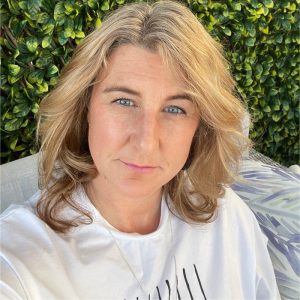
The Teddy Foundation was born from my family's own struggles with accessing maternity care in a rural area. No family should face that fear and uncertainty. I'm determined to create a safe space, offer support, and make sure every expecting mother gets the care she deserves.
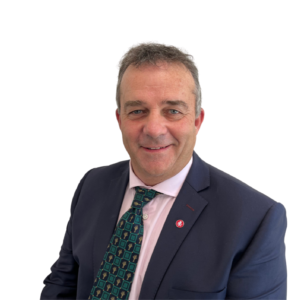
I care about making sure rural families get the healthcare they need. Living and working in rural communities, I've seen and experienced the challenges people face, and I want to help find practical solutions that truly make a difference.
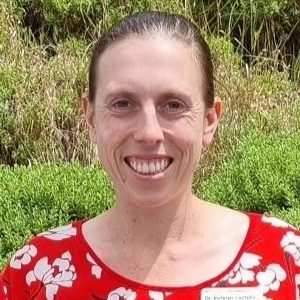
As a rural GP in Queenstown and a mother of two, I've experienced firsthand the challenges of accessing maternity care. I see how these struggles impact whanau, and I want to help create real solutions that ensure every pēpi and whānau the tautoko they need, when they need it.
Theo was my nephew.
He was loved long before he arrived, and he was a healthy, wanted baby.
I followed his pregnancy closely. I had the pregnancy app on my phone and watched him grow virtually, week by week, milestone by milestone. He felt real to me long before I ever held him. I watched my brother, Theo’s dad, and his partner plan for the unknown of their first pregnancy. Living remotely, they faced all the usual decisions, alongside the added reality of an hour-and-a-half drive to care that had to be factored into every plan.
We understand distance in a very personal way. My two younger brothers and I were born and raised on a high-country farm in Northern Southland. Remote living wasn’t a concept, it was simply life. A 30-child primary school, long drives, boarding school, and learning early that help and services were never close by.
What we did have was family. My grandad dedicated his life to St John and lived just a five-minute walk from our house on the farm. He was our medical professional, the one who cleaned up scrapes, tended bumps and bangs, and brought reassurance when something went wrong. Care, for us, was personal, close, and trusted.
When Theo was born, things became complicated very quickly.
I received a call from my brother. He was incredibly calm, but the situation was serious. Both mum’s and baby’s lives were in danger, and they needed to be transferred to hospital urgently. There was no ambulance immediately available, which meant the transfer time was doubled.
Theo was born by emergency caesarean section and taken straight into NICU. It was quickly decided that he needed to be transferred again, this time to a larger hospital with higher-level specialist care. A helicopter was ordered.
In those moments, my brother was faced with an impossible decision, to stay with his partner, or to follow his newborn son. The roles were decided quickly. He stayed with his partner, and I followed my nephew.
Calls were made to grandparents in the early hours of the morning. Plans were formed on the fly. People were organised. Everyone did what they could, as quickly as they could, in a situation no one is ever prepared for.
I met Theo’s grandad, my dad, and together we travelled three hours to the hospital to meet Theo. We arrived before him.
I needed to know everything. Where to park. Where the NICU was. Who to talk to. I spoke with staff and left my phone number. They told me they would call once Theo had been taken off the helicopter and settled into NICU.
Then there was nothing to do but wait.
Dad and I slept in the car. I had been awake for nearly twenty-four hours. Time felt stretched and suspended.
Then I heard the helicopter.
It’s a sound I will never forget.
I sat upright and said, “He’s here.”
It felt like forever before the phone rang, understandably, he needed their full attention.
That day became one long stretch of waiting. Waiting for specialists to run tests to understand how Theo was doing. Zoom calls between Theo’s doctors and his parents. Waiting for Theo’s mum and dad to be transferred so they could be with him.
By that evening, we were all together with Theo.
That was when we were told that Theo’s tiny brain had been damaged. It was devastating news, and yet I still felt hope. I believed, as a family, that we could love him, raise him, and care for him, whatever lay ahead.
I stayed with Theo through the night, while everyone else got the rest they needed. I held his little hand or his foot, careful not to disturb the many tubes and wires around him. I listened to the steady rhythm of the machines and watched closely for any change in his vital signs. It felt important to be there, to protect him, to love him, to not leave him alone.
In the morning, a doctor came in and told me how lucky Theo was to have his family around him. Then he said they had done everything they could, and that he needed to speak with Theo’s parents.
I asked if they were going to take Theo off life support.
He didn’t answer. He didn’t need to.
That day was filled with cuddles, kisses, stories, tears, and the hardest goodbyes.
The following morning, Theo’s life support was turned off.
I received the news while standing on St Clair Beach in Dunedin. I felt something I had never felt before, hard to explain, but clear. Not peace. Not relief. A kind of knowing. In that moment, I understood what my life’s work would be.
Our family was left heartbroken, trying to understand how a baby who should have come home with us, didn’t.
As his aunty, I watched my family navigate grief that no one is ever prepared for. I also watched the questions emerge, not just what happened, but why. Why distance mattered. Why timing mattered. Why access to the right care, at the right moment, wasn’t guaranteed.
Theo’s loss changed me.
As I began listening to other families, particularly those living in rural and remote communities, I realised our story wasn’t unique. Again and again, I heard about long distances to hospital, urgent transfers, unfamiliar hospitals, nights spent away from home, and the quiet fear of trying to hold everything together while pregnant or caring for a newborn far from home.
Most births in Aotearoa are safe, thanks to skilled and dedicated clinicians working within a complex system. But when care needs to escalate, distance adds pressure, and families are often left to manage the practical and emotional load alone.
Theo is why I started the Teddy Foundation.
Not to place blame.
Not to judge.
But to sit in the gap, to support families when maternity care becomes complicated by distance, urgency, or sudden change.
I can’t change what happened to Theo.
But I can work toward a future where families facing similar moments are better supported, where clear information, practical help, and compassion are part of the journey, not an afterthought.
Because every baby matters.
And every pregnant person and every family deserves safe, timely maternity care, no matter where they live.